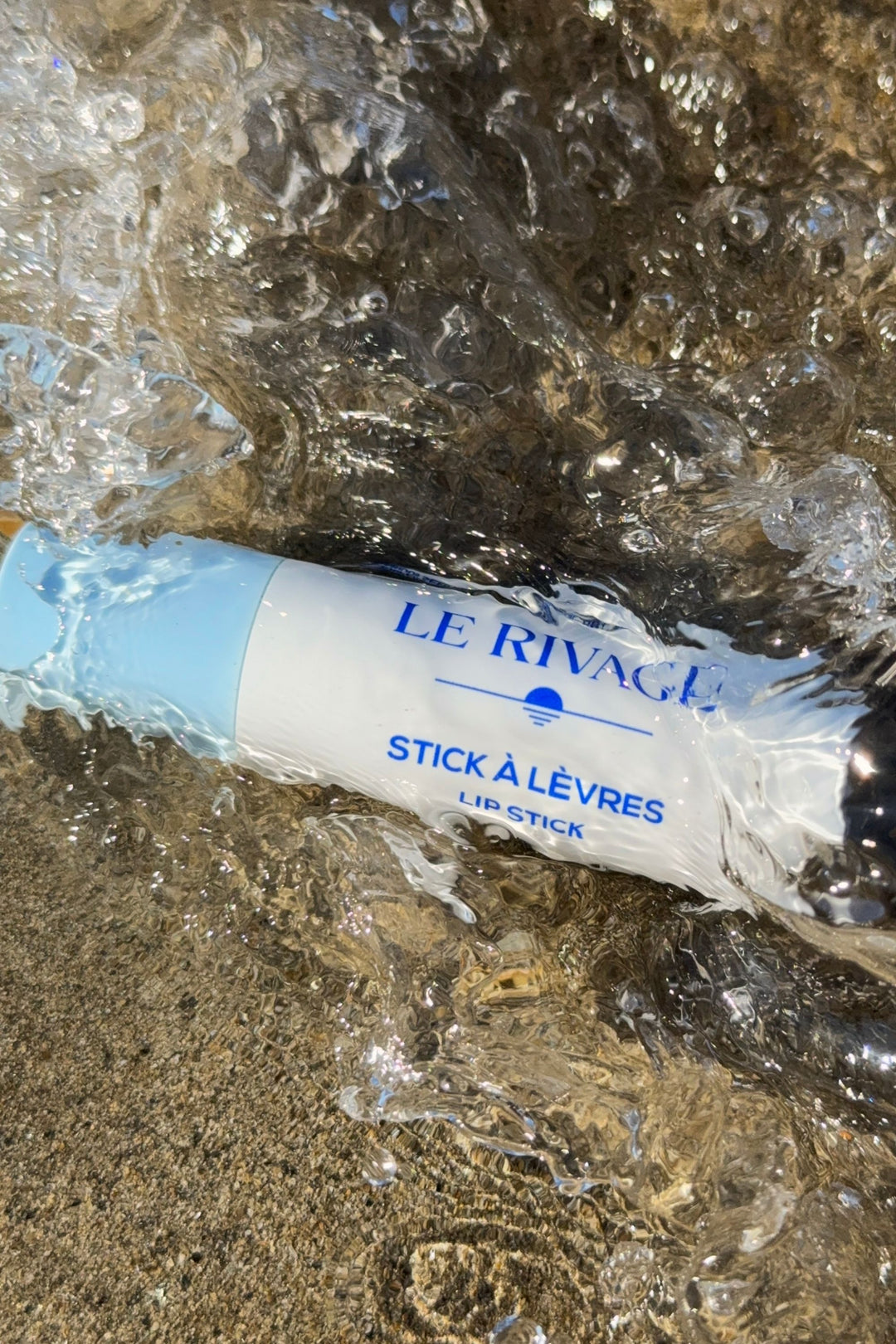
The Challenges of Sustainable Cosmetics
The cosmetics industry, long criticized for its environmental impact, is undergoing a major transformation. Consumers are increasingly aware of environmental issues and are seeking products that are kind to the planet. Sustainable beauty has become a central concern, prompting brands to rethink their formulations and packaging.
Among the main challenges are:
- The impact of ingredients: Some ingredients used in cosmetics can be harmful to the environment or come from the exploitation of non-renewable natural resources.
- Packaging: Plastic packaging, which is often oversized and difficult to recycle, accounts for a significant portion of the waste generated by the cosmetics industry.
- Water pollution: Microparticles found in some products can enter waterways and harm biodiversity.
Le Rivage: A Pioneer in Sustainable Cosmetics
The Le Rivage brand is fully committed to this approach to eco-friendly cosmetics. By prioritizing glass and recycled cardboard packaging, it demonstrates its commitment to the environment.
Why glass and recycled cardboard?
-
The glass:
- Inert: Does not release any harmful substances into the products.
- Protector: Effectively protects cosmetic formulas from light and oxidation.
-
Recycled cardboard:
- Eco-friendly: Its production requires less energy and water than that of virgin cardboard.
- Biodegradable: Breaks down quickly in nature.
- Recyclable: It can be recycled multiple times.
Other Events at Le Rivage
In addition to its packaging choices, Le Rivage could take other steps to reinforce its commitment to sustainable beauty:
- Natural and biodegradable formulas: Prioritize ingredients of natural origin to minimize the impact on the environment.
- Local production: Reduce the carbon footprint by prioritizing local production and promoting short supply chains.
- Transparent communication: Informing consumers about the brand’s commitments and the ingredients in its products.